Best Internet for Seniors in 2026
AT&T Fiber checks the box for fast, reliable internet and excellent customer service.



- AT&T Fiber offers the best reliability and performance, delivering a contract-free, high-speed connection that is ideal for seniors who rely on consistent video calls with family or smart-home medical monitoring devices.
- Xfinity boasts affordability and value, low-cost internet plans with bundling options that many seniors might want to take advantage of.
- For simplicity and bundling, Spectrum offers wide availability across the U.S. and no-contract plans that easily pair high-speed internet with traditional cable TV packages.
Seniors use the internet as an essential tool, just like everyone else, but they may have specific needs regarding budget, features, and ease of use. That’s why we’ve chosen the best internet service providers (ISPs) that address these unique online needs. Whether it’s paying bills electronically or attending virtual medical appointments, seniors rely on the internet to stay connected. Of all the ISPs we’ve evaluated, AT&T Fiber, Xfinity, and Spectrum are the best options for senior citizens based on speed, value, availability, reliability, and reputation.
BroadbandNow Bottom Line
While AT&T Fiber, Xfinity, and Spectrum all offer bundle plans, AT&T Fiber comes out on top because of its affordable pricing and award-winning customer service. With plans starting as low as $50 per month, AT&T Fiber offers great deals for seniors.
Table of Contents
- AT&T Fiber (BroadbandNow Top Pick)
- Xfinity (Best Bundling ISP)
- Spectrum (Budget Pick)
- Our Top Internet Provider Recommendations for Seniors
- How We Chose Our Favorite Internet Providers for Aging Families
- Methodology for Assessing Internet Providers
- Other Internet Providers Worth Mentioning
- How to Pick the Perfect Internet Provider for Your Home
- Frequently Asked Questions About Internet Providers for Seniors
AT&T Fiber (BroadbandNow Top Pick)
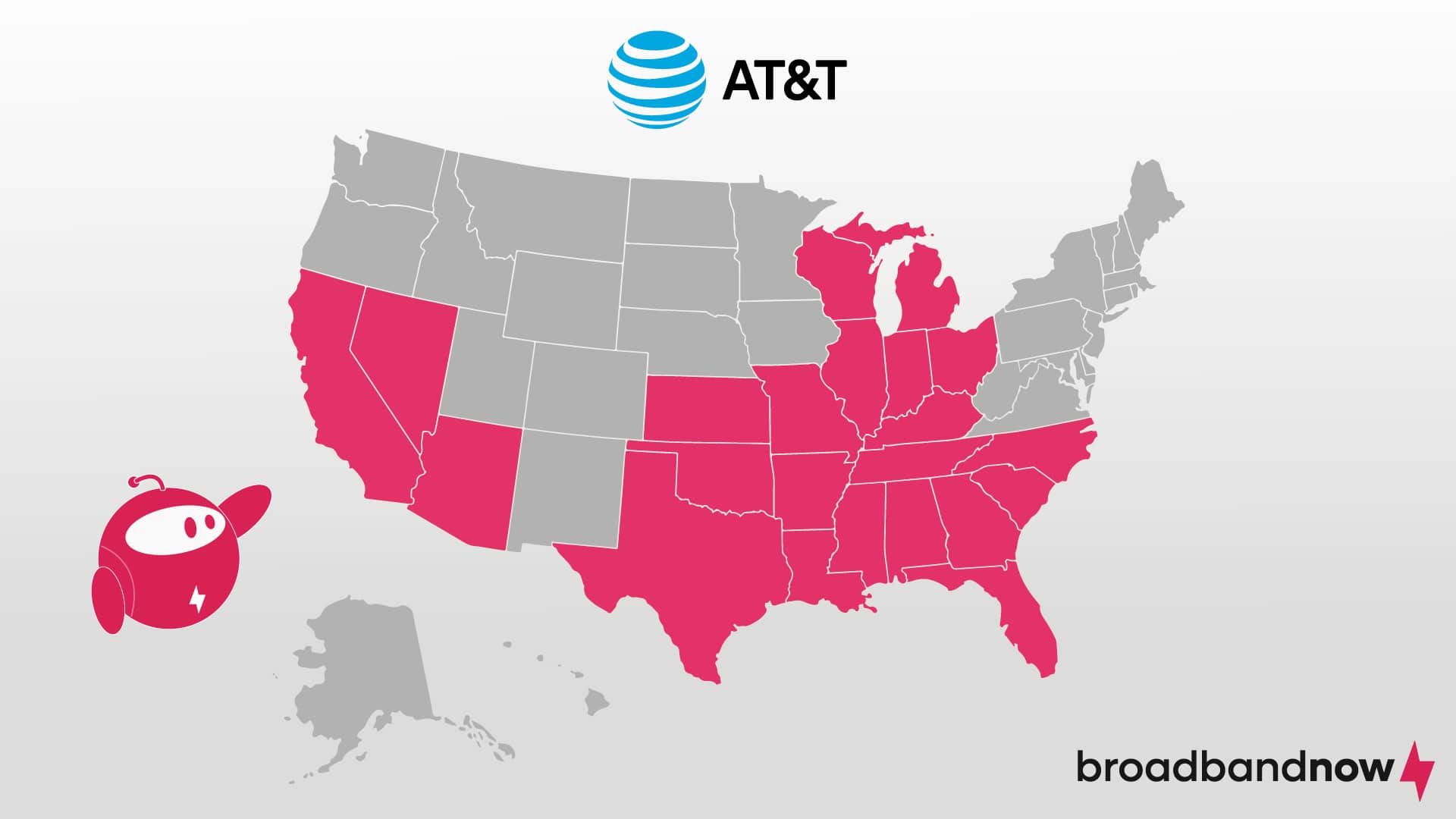
Unlike Xfinity and Spectrum, which are primarily cable internet providers, AT&T Fiber is our favorite choice for senior citizens. Its plans are affordable, and it delivers consistent, symmetrical download and upload speeds thanks to its fiber connection. Internet-only plans start as low as $50 per month and include a modem with Wi-Fi, so you don’t have to pay additional equipment fees.
Speeds are as low as 300 Mbps, which is more than enough to handle normal internet tasks, such as paying bills online and sending emails. Plus, customers have shared that AT&T Fiber remains reliably fast even when the power shuts off, with minimal delays or buffering. My great-uncle, who’s in his 70s, shared his experience with AT&T’s internet service, saying, “What I like about AT&T Fiber is that it doesn’t go out randomly like when I had cable.”
Aside from speed and price, AT&T’s customer service has ranked first in customer satisfaction every year. Although Xfinity doesn’t fall too far behind in the survey, AT&T has proven to be responsive and knowledgeable about every issue as soon as it comes up. Whether you need to call someone directly, chat online, or find a support video, AT&T is there when customers need assistance. Seniors who want budget-friendly internet with fast connection speeds and good customer service will find that AT&T Fiber is a great choice.
What We Like
- Low-cost internet plans
- Reliable fiber internet connection
- Award-winning customer service
What We Don't Like
- Limited fiber availability
Xfinity (Best Bundling ISP)
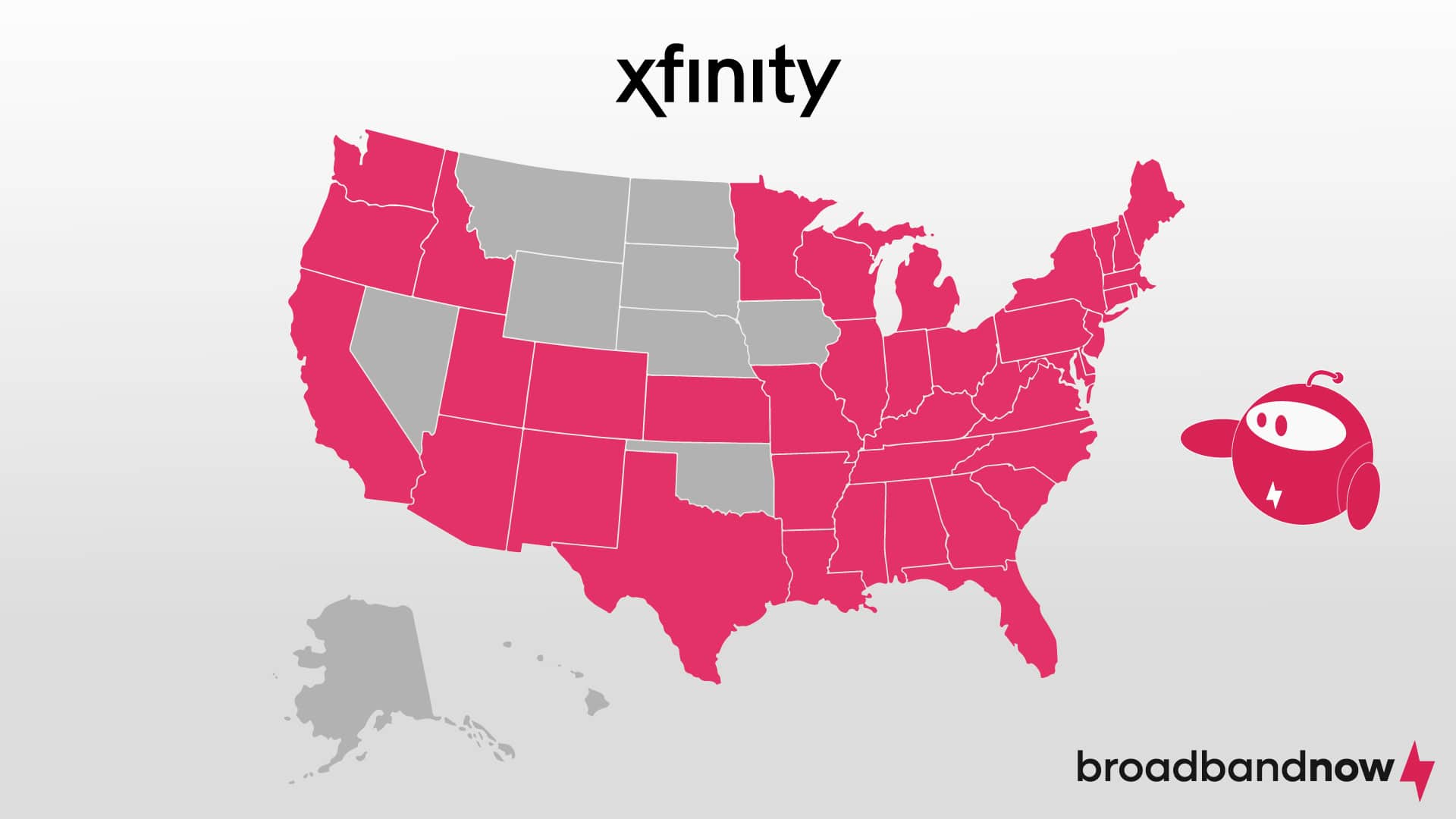
What makes Xfinity a standout internet provider for aging adults is its affordable internet-only plans and bundles that include TV, phone, or both. Generally, cable internet offers a good balance of speed and affordability, and Xfinity is no exception. Its cheapest internet-only plan starts at $30 per month, which is a great deal compared to satellite or DSL internet. The provider also offers its Internet Essentials plan to qualifying seniors for a discounted monthly rate of $14.95.
Unlike AT&T, Xfinity’s bundles provide greater value; download speeds are faster, and the price remains relatively low. When combined with other deals, this is a great option that lets seniors access the services they need without breaking the bank. Xfinity is best for senior citizens who want the option to bundle their internet with phone or TV services — an all-in-one package.
What We Like
- Affordable cable internet
- Wide variety of bundling options
- Great benefits for qualifying individuals
What We Don't Like
- Data caps on select plans
Spectrum (Budget Pick)
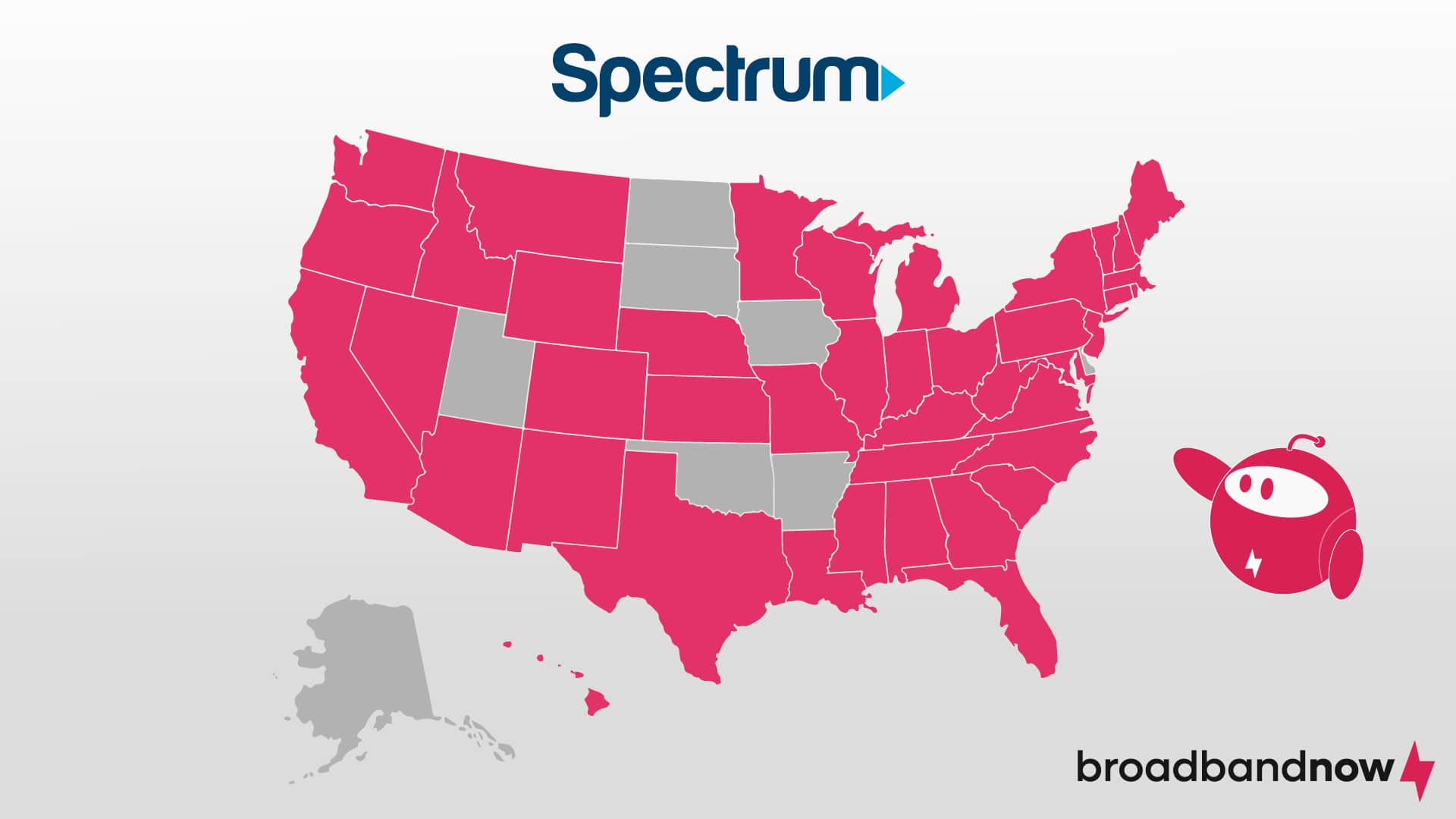
Like Xfinity, Spectrum is a cable internet provider, which means it’s available in more states and cities than fiber internet providers. This is ideal for seniors who live in less-populated areas, as Spectrum might be the only wired internet option available. While Spectrum doesn’t offer as wide a variety of bundles as Xfinity, that could be a good thing for seniors who don’t want to overcomplicate their options. Editor Andrew Cole said, “Spectrum is great for my wife’s 92-year-old grandmother because it supports her medical alert and home security systems, as well as offers cable access for her to keep track of sports.”
Spectrum also offers its own low-income internet program called Spectrum Internet Assist. Seniors are eligible to sign up if they already participate in a government program, such as the National School Lunch Program (NSLP), the Community Eligibility Provision (CEP) of the NSLP, or Supplemental Security Income.
Applying is also easy because it’s online. With Spectrum Internet Assist, qualified individuals get a free modem, no data caps, and no contracts. If neither AT&T Fiber nor Xfinity is a viable option due to availability or budget, then Spectrum is another internet provider worth considering for its widespread coverage, simple phone and TV packages, and low-income discounts.
What We Like
- No modem fees
- No data caps
- Widespread availability
What We Don't Like
- Mediocre customer service
Our Top Internet Provider Recommendations for Seniors
| Details | BroadbandNow Top Pick | Best Bundling ISP | Budget Pick |
|---|---|---|---|
| Internet provider | AT&T Fiber | Xfinity | Spectrum |
| Starting price | $50 per month | $30 per month | per month |
| Download speeds (up to) | 5 Gbps | 2 Gbps | |
| Current promotion | $150 Visa Reward Card for subscribing to AT&T Fiber Internet 1000 or higher | Up to $30 monthly discount for 24 months when bundling Xfinity Mobile and Xfinity internet | One-year price guarantee and free Advanced WiFi included on Gig plans or higher |
| Low-income discount | Yes | Yes | Yes |
| Activation fee | None | None | $35 (self-install) |
| Installation fee | $99 | $39.99 (self-install), $100 (professional) | $65 |
| Equipment fee | None | $15 per month | $5 per month |
| Contracts | No | Yes | No |
| Data caps | No | 1.2 TB | No |
| Bundle options | Home phone or mobile phone | TV, home phone, mobile phone or home security | TV, home phone or security software |
| More info | View AT&T Fiber Deals | View Xfinity Deals | View Spectrum Deals |
Best ISP for Seniors Based on Household Needs
Finding the right internet plan as a senior is about more than just speed. It’s about finding a service that is easy to manage, easy to afford, and works when you need it most. Here is how the top providers serve different senior lifestyles:
- Best for multiple connected devices: AT&T Fiber offers symmetrical speeds crucial for health-monitoring equipment, security cameras, and communication devices. Many seniors have an increased need for connected devices and require a connection that can handle everything without slowdowns.
- Best for seniors on a fixed income: Xfinity offers one of the most affordable low-income programs. Their Internet Essentials plan starts at just $14.95/month for eligible seniors (those receiving SSI, Medicaid, or other assistance). It includes free equipment and no credit checks, making it the gold standard for staying connected without straining a monthly budget.
- Best bundled internet and TV for seniors: Spectrum combines high-speed internet with TV plans ideal for seniors, all on a single, simplified bill. Many seniors prefer the familiarity of a traditional cable box and a physical remote, and Spectrum’s remotes are widely considered user-friendly
- Best no-contract internet for seniors: AT&T Fiber is perfect for seniors who want high-quality service without being locked into a long-term commitment. All of their fiber plans are contract-free, meaning you can cancel or move at any time without early termination fees. This flexibility is paired with symmetrical speeds, which are excellent for crystal-clear video calls with grandchildren.
- Best for seniors in rural or suburban areas: Spectrum uses a massive cable network that reaches many rural and suburban pockets where fiber hasn’t arrived. If you live outside a major city, Spectrum is often the most reliable high-speed option available that still offers a stable, wired connection for medical alert systems and home security.
How We Chose Our Favorite Internet Providers for Aging Families

For seniors, it’s not always about picking an internet provider with the fastest speeds or the cheapest plans. Saving money wherever and whenever you can while getting the most out of your internet plan is the ideal end result. Many ISPs offer plenty of opportunities for savings, but only a handful are one step ahead of the competition. We took the following key factors into consideration when finalizing our top picks:
- Availability: Finding an internet provider that services your area is crucial. It doesn’t make sense to recommend an ISP with limited coverage. Availability also depends on the ISP’s connection types, so when you weigh your plan options and find that there are two different connections (e.g., cable vs. fiber), it’s much more likely that you live within the provider’s cable internet service area due to its preexisting infrastructure. That’s not to say fiber is hard to come by, as it’s continually expanding, so we considered ISPs that offer both broadband types in most states and cities.
- Speed: Depending on your online activities, your internet speed will determine whether you’ll be able to stream 4K movies without buffering or download large files quickly. The Federal Communications Commission defines broadband as 100 Mbps download / 20 Mbps upload. We only chose ISPs that not only exceed this benchmark but also offer a wide range of speeds for their internet plans. This provides more options, and you’ll also be able to downgrade or upgrade your plan.
- Value: It goes without saying that the best way to save is by bundling your internet plan with TV and phone services. Aging adults who want to avoid the hassle of searching for a separate TV or phone provider will find that many ISPs offer more than just internet plans. You’ll find bigger savings from bundle promotions, which may include a discounted monthly rate for your services or free equipment. We also looked into ISPs offering low-income or senior discounts, or programs that help alleviate the rising costs of newer technology.
- Reliability: Consistent connection and optimal speed shape the quality of your online experience. Because of that, we made sure the ISPs we chose have had customers report minimal lag, latency, and outages. We also referenced reports of users who experienced consistent service throughout the day. For this list, our favor leaned toward ISPs with a proven track record of reliable internet service.
- Reputation: One of the deal-breakers when choosing and sticking with an ISP is its customer satisfaction. We liked ISPs that offer multiple communication channels and have a quick response time. Our favorite ISPs are the ones that put a lot of effort into their customer service team.
Methodology for Assessing Internet Providers
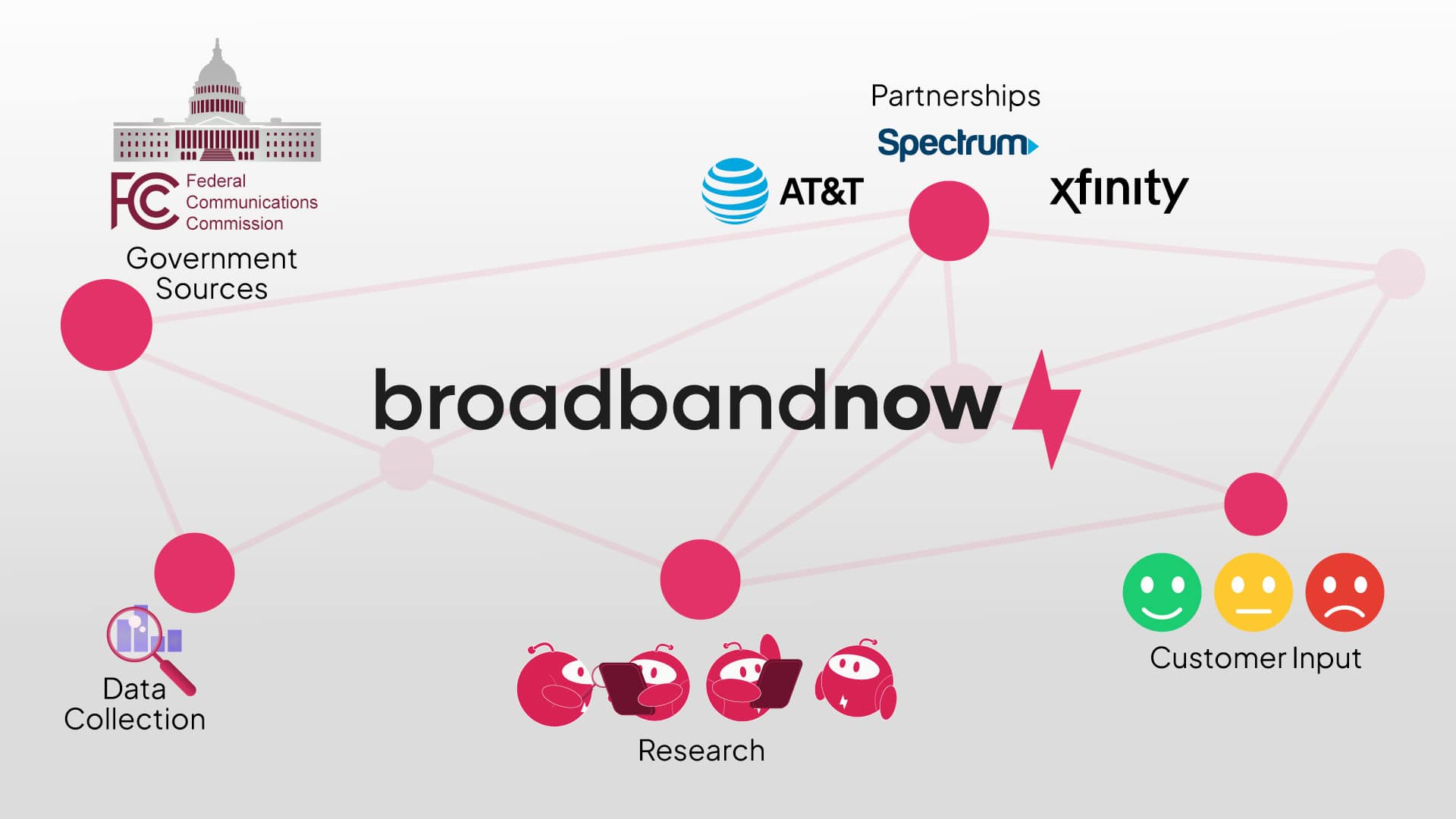
Our team has tested countless internet service providers — including the ones mentioned above — and collaborated with seniors we know to compare their experiences. However, we don’t rely on just that when we make recommendations. When determining which internet service provider is best for seniors, we draw on BroadbandNow’s vast dataset, compiled from both the FCC’s Broadband Data Collection and our in-house team of data collection experts. Since 2016, we’ve been using this data, which includes comprehensive pricing information, precise availability maps, and thousands of individual reviews from real customers.
We also have a dedicated BroadbandNow Research team that produces survey-backed pieces on broadband availability, expansion, and the digital divide. Finally, we work directly with internet service providers to obtain the latest information on promotions and deals. When we recommend an internet service provider, we’re not just saying it worked well for us; we’re saying it worked well for internet customers like you.
Other Internet Providers Worth Mentioning
The providers listed below also offer valuable benefits for seniors, though some drawbacks make them less ideal than our choices above. This can be due to reasons such as availability or additional services that may be better suited for a different use case.
- CenturyLink: CenturyLink offers its internet plans with no contracts at a fixed price, meaning there’s no need to worry about price increases in the future. It also offers its consumer assistance programs. Qualifying CenturyLink customers also have access to the Telephone Assistance Program (TAP). While it offers fiber internet plans, its speeds haven’t been consistent across the board.
- Hughesnet: Although its plans are pricey compared to fiber and cable internet providers, HughesNet provides excellent coverage for individuals living in remote or rural areas. A two-year contract is required when purchasing, but it’s well worth having satellite internet in your home when other internet options are limited.
- Optimum: One of the few internet providers that offer no-contract plans, Optimum provides adequate internet speeds. Its plans come with unlimited data, allowing you to surf the internet without fear of data overage fees. However, it doesn’t have a strong reputation for keeping current customers happy, as some reported experiencing slow speeds after being with the provider for some time.
- T-Mobile 5G Home Internet: T-Mobile 5G Home Internet offers plans starting at $20 per month (with AutoPay) with no hidden fees. While we do like that, it’s limited not only in alternative internet plans but also in speeds, which depend on various factors. It’s still a great alternative if you live in a rural area with no access to wired internet providers.
- Verizon Fios: As a fiber internet provider, Verizon Fios offers lightning-fast gigabit speeds, but its availability is limited. Plans with higher speeds are also more expensive, which may deter folks looking for gigabit internet on a budget.
How to Pick the Perfect Internet Provider for Your Home
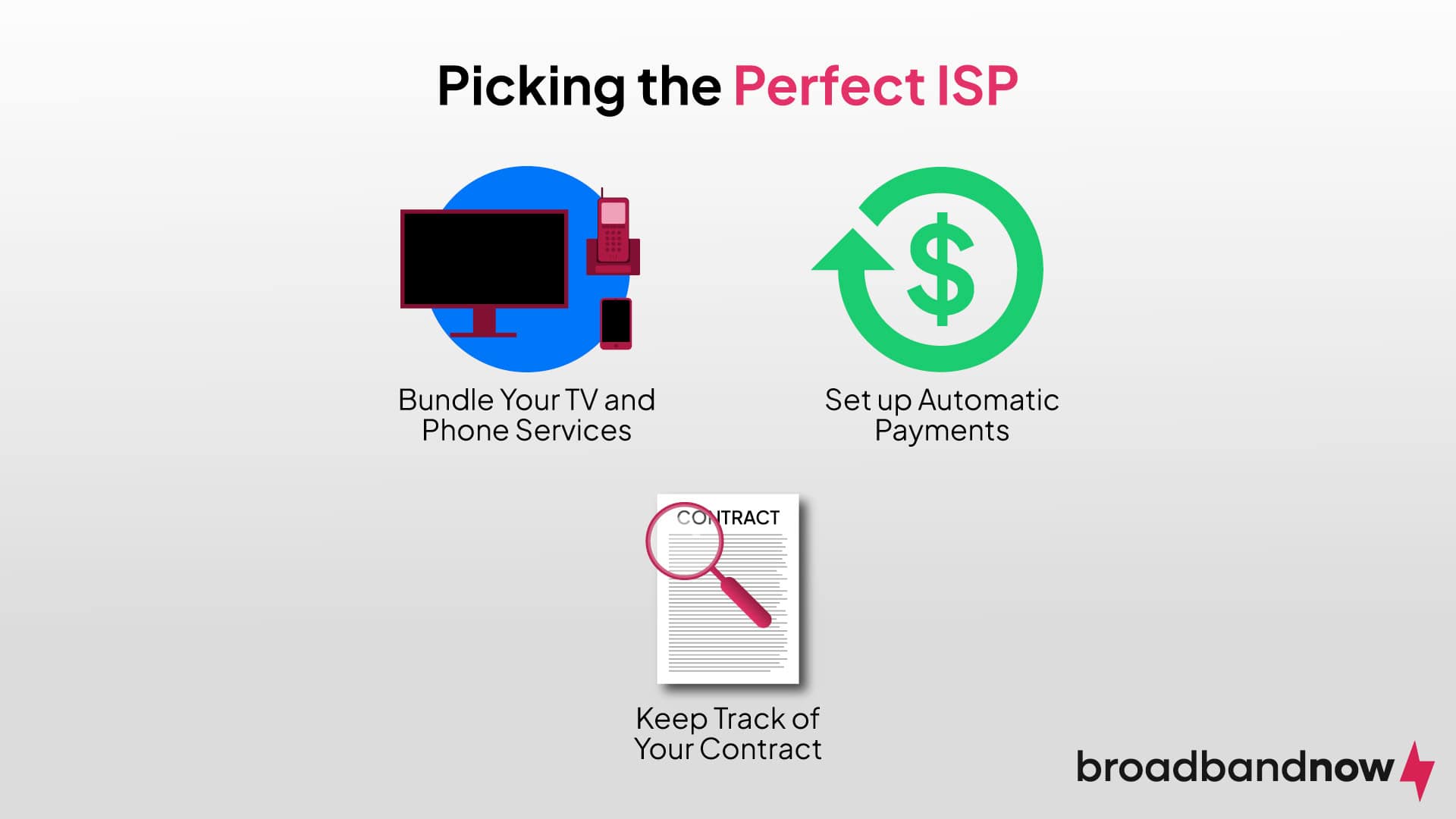
With so many ISPs offering discounts and deals, it can be overwhelming for senior citizens who are looking for a simple, affordable internet plan. Although there are many factors to consider when deciding which provider is best, there are a few important tips.
- Bundle your TV and phone services for additional savings. While low-cost internet plans are already affordable, some internet providers offer the option to bundle internet with TV and/or phone services. By combining your internet plan with a TV and/or phone plan, you’ll save extra money down the road and even qualify for certain benefits with some ISPs.
- Set up automatic payments. These days, paying your internet bill is as easy as turning on automatic payments. With most internet providers, plans are offered at promotional rates when purchased with autopay. Not only can seniors receive discounts, but they’ll never have to worry about late payments.
- Keep track of contracts. If your internet plan comes with a contract, you’ll need to be wary of its terms and policies. Internet providers may sell plans at promotional rates and then set the price back to its regular rate. Canceling a contract early could subject you to an early termination fee, so be sure to read the fine print before committing to an internet provider.
Choosing an Internet Provider as a Senior Shopper
Choosing an internet provider in your senior years should simplify your life, not complicate it. Whether you need the powerful reliability of AT&T Fiber, the ultra-low cost of Xfinity, or the widespread availability of Spectrum, the goal is a connection that delivers exactly what you need: internet access. Find a local provider using our address-lookup tool to see which ISPs are available to you and compare plans for your internet needs and budget.
Frequently Asked Questions About Internet Providers for Seniors
What is the cheapest internet for seniors?
Based on our experience, AT&T Fiber is the top internet service provider for seniors. Its low-cost internet plans provide a reliable connection and come with great customer service. If AT&T Fiber isn’t available in your area, Xfinity or Spectrum are the best alternatives.
How can seniors get free internet service?
Certain providers allow you to apply for a low-income internet plan or Lifeline program if you qualify. Although not entirely free, these benefits lower the cost of your phone or internet service.
What internet providers offer discounts for seniors?
Some providers offer discounts on internet plans for seniors and low-income households through select programs. AT&T, Xfinity, and Spectrum offer discounted services for qualifying participants. Other internet providers offering discounts for seniors include CenturyLink, Hughesnet, and Optimum.
How can seniors lower their internet bill?
In addition to applying for government programs designed for seniors or low-income households, seniors can negotiate their internet plan with their provider. This is only possible if you’ve been a loyal customer, but it’s not always guaranteed. An alternative is to downgrade your plan, especially if you’re getting more than you need for your budget.
Do AARP members get internet discounts?
Unfortunately, AARP members don’t have access to internet discounts. The program once had a partnership with AT&T, but that has since expired. The Lifeline program is still available, and seniors may get a monthly discount of up to $9.25 on their internet plans.