What Is a Hotspot? Definitions, Security, and How to Use Your Phone
Need good internet on the go? Learn how to use your phone as a hotspot and experience fast connection speeds anywhere.
- Hotspots are portable internet access points that you can use to connect to Wi-Fi.
- You can use your smartphone to set up personal hotspots for other devices via Wi-Fi or a tethered connection.
- Knowing the difference between tethering, public Wi-Fi, and mobile hotspots will help you stay secure and optimize your battery life.
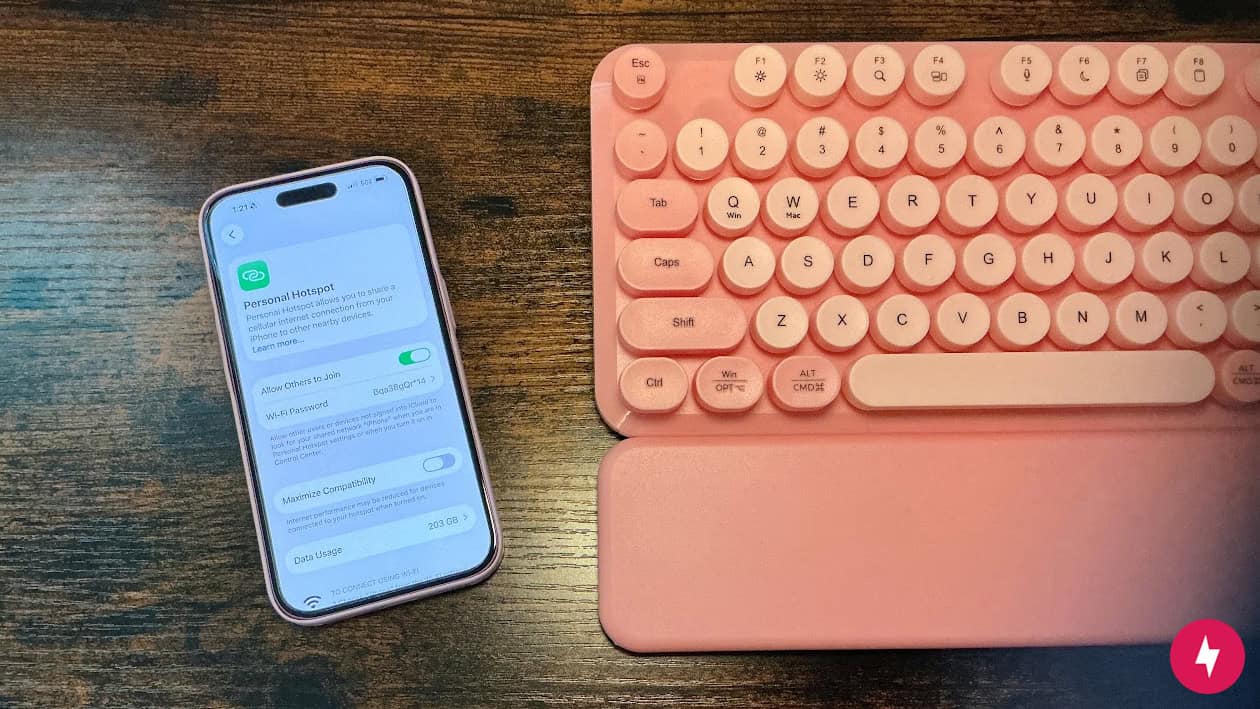
A hotspot is a physical location or hardware feature that allows devices to connect to the internet, typically using Wi-Fi to share a cellular data connection. By turning your smartphone into a portable access point, you share your mobile carrier network with other devices. Finding the best internet plan for your home is pretty simple, but getting a secure connection on the go can be challenging when you encounter spotty public networks. Rather than relying on unencrypted public internet to send emails or run a Microsoft Teams meeting during a travel layover, you can utilize your phone’s built-in networking features. In this guide, we will define exactly what a hotspot is, differentiate between mobile and Wi-Fi variations, and explain how to configure your smartphone to keep your favorite devices securely connected anywhere.
Our Video on How to Set up a Mobile Hotspot
Need a quick video tutorial on how to set up a hotspot on your phone? Check out our video to get connected easily.
What Is a Mobile Hotspot?
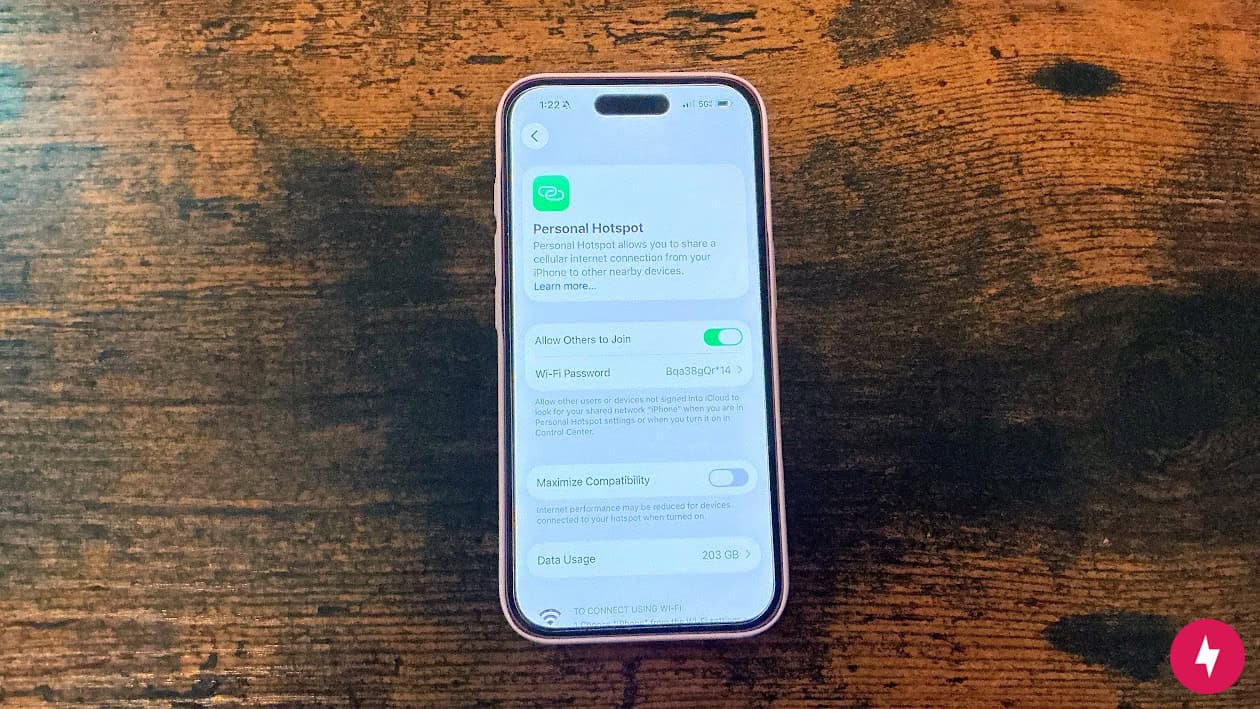
A mobile hotspot is a specific technological feature that converts your smartphone or a standalone portable device into a miniature internet router. It relies on your cellular provider’s 4G LTE or 5G network to broadcast a designated Wi-Fi signal, which your laptops, tablets, and smart home devices can use to access the web. While traditional Wi-Fi networks pull from a hardwired cable or fiber line, a mobile hotspot functions entirely over the air.
Any modern smartphone running iOS or Android with active cellular service can set up and run a mobile hotspot. Once you configure a hotspot network with a Service Set Identifier (SSID), you can connect multiple hardware devices using a distinct password. Because establishing this connection utilizes a considerable amount of battery life and cellular data, you will want to check your carrier’s specific data caps and limitations. Exploring the best unlimited plans across different providers and keeping a portable power bank handy will ensure your mobile hotspot operates smoothly without incurring overage fees or abrupt shutoffs.
Types of Hotspots: Mobile vs. Wi-Fi vs. Tethering
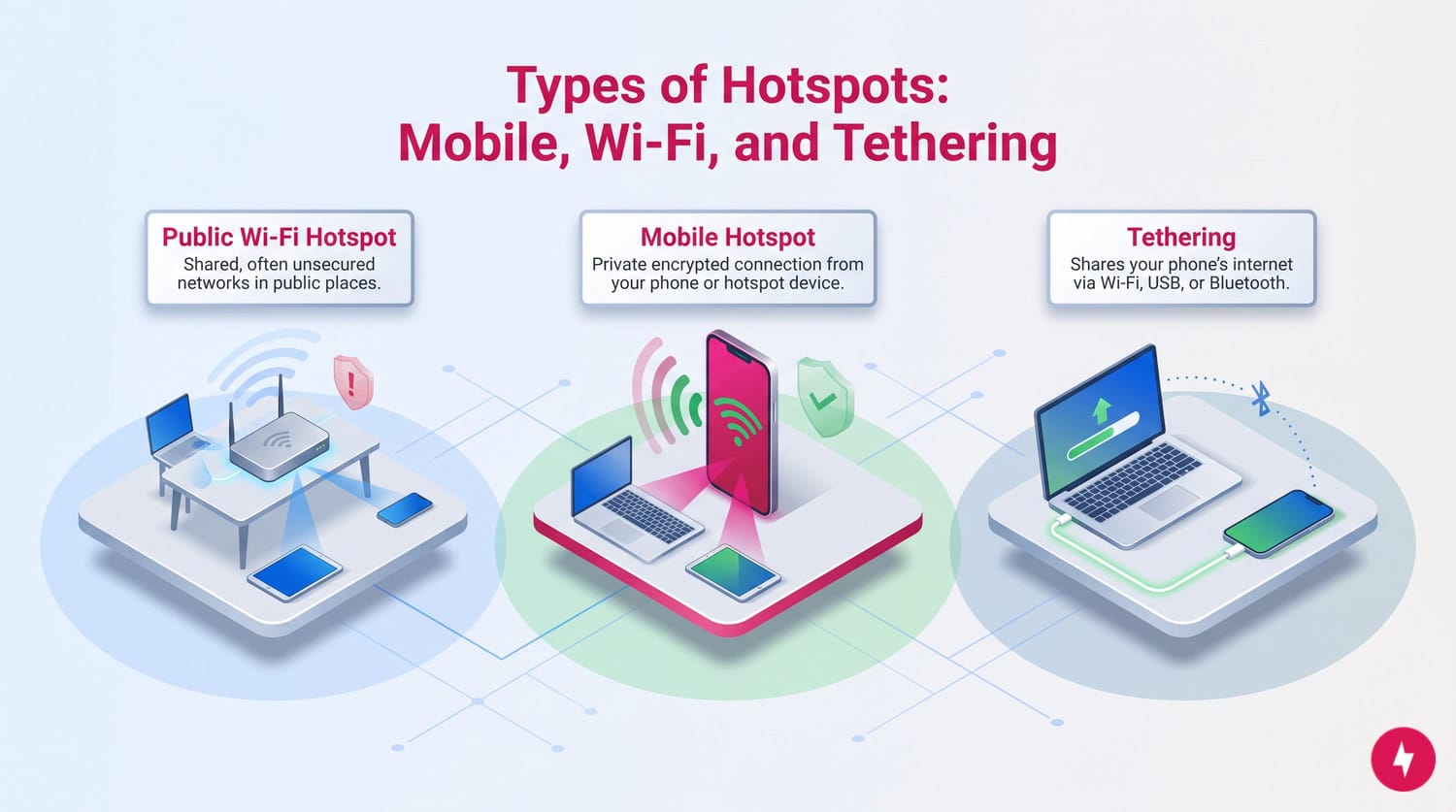
Understanding the different connection terms can help you make better decisions when you need to access the internet securely away from home. The terms “mobile hotspot” and “Wi-Fi hotspot” are often used interchangeably in everyday conversation, but they represent two distinctly different networking concepts.
A Wi-Fi hotspot refers to a physical location that offers wireless internet access to the public. You will frequently encounter Wi-Fi hotspots at local coffee shops, public libraries, airports, and municipal parks. While convenient for downloading a quick file or browsing social media, these networks are often open or minimally secured, which can make them vulnerable to security risks like data interception.
A mobile hotspot, on the other hand, is a private hardware feature originating from your smartphone or a dedicated portable mechanism that generates an encrypted internet signal from a cellular network. When you are processing sensitive financial documents or logging into a secure corporate portal as a remote worker, a private mobile hotspot provides a much safer alternative to public Wi-Fi. It allows you to maintain consistent internet speeds without sharing bandwidth with strangers in the same building.
Finally, tethering is the overarching umbrella term for connecting one device to another to share an active internet connection. Creating a standard mobile hotspot is essentially a wireless form of tethering over Wi-Fi. However, tethering can also be achieved through direct physical connections, such as linking your laptop to your smartphone via a USB-C cable or establishing a wireless bridge using Bluetooth. USB tethering is especially useful for competitive gaming or uploading large 4K video files, as it provides a stable wired connection while simultaneously charging your phone battery.
How to Turn Your Phone into a Hotspot
Before diving into your device’s settings, you must ensure your cellular plan supports sharing your connection. In order to set up a hotspot, you’ll need a modern smartphone and a phone plan that includes hotspot data. Most major carriers include this feature in their premium unlimited tiers, but budget plans may require an add-on. If you want 5G internet through your hotspot, you’ll want a smartphone that supports a 5G connection. It’s crucial to make sure you have enough high-speed data before setting up and enabling your hotspot.
How Do You Set Up a Hotspot on an iPhone or iPad?
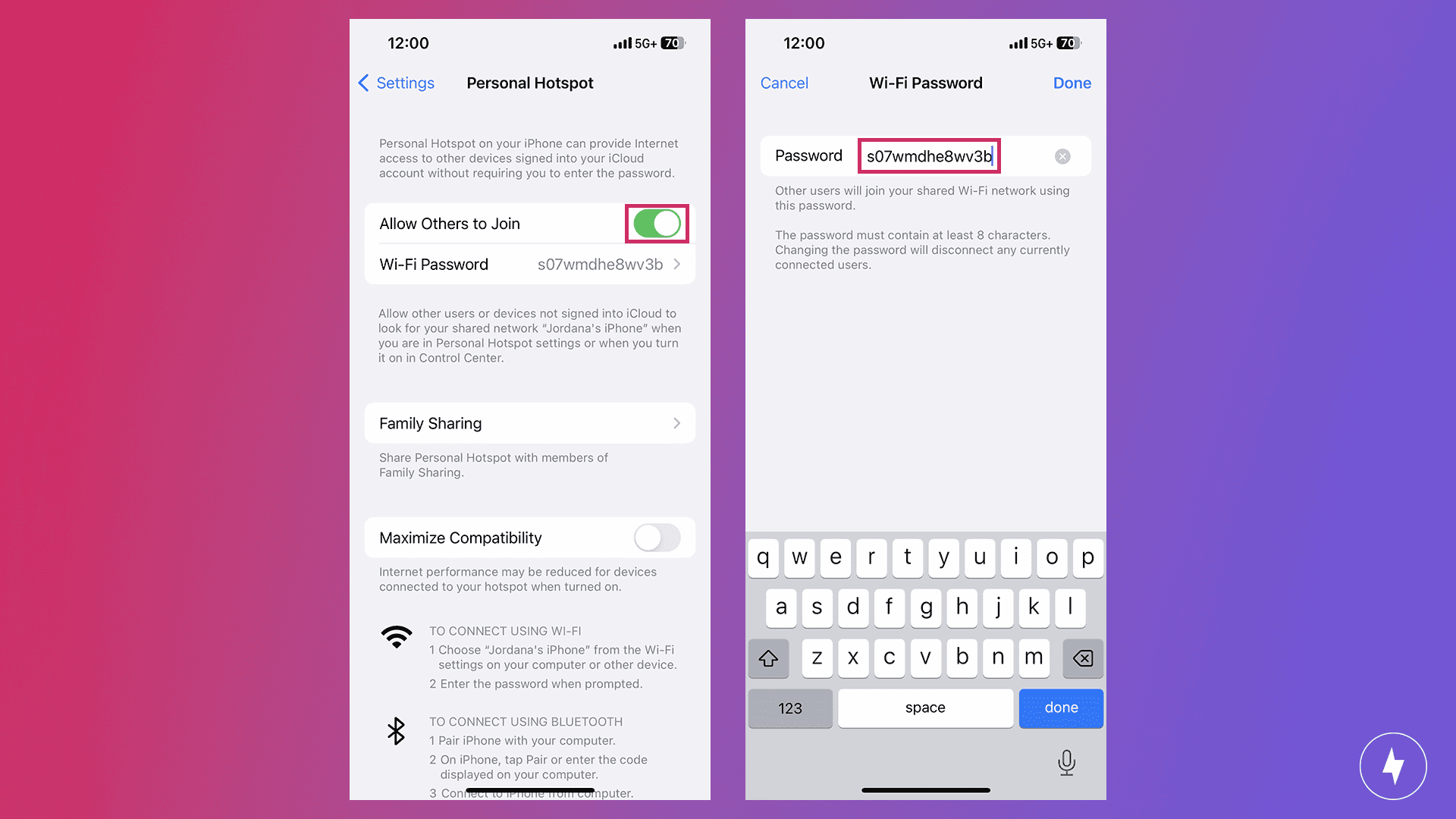
- Open your iPhone Settings app.
- Tap on Personal Hotspot. If you do not see it immediately, look under Cellular to find it.
- Look for the Allow Others to Join option and toggle it on. This will allow you to connect other devices to your hotspot. Set your Wi-Fi hotspot password by tapping Wi-Fi Password.
- On the secondary device you want to connect, look for your hotspot name under the available network list and select it. Enter the Wi-Fi password you set previously to connect to the hotspot. Your device is now connected.
How Do You Set Up a Hotspot on Android?
Admittedly, connecting to a hotspot on Android devices can vary somewhat compared to iPhones. The steps below cover how to set up a hotspot on Google Pixel and Samsung Galaxy, as these two phones are the most common Android devices.
How to Set Up a Hotspot on Google Pixel Phones
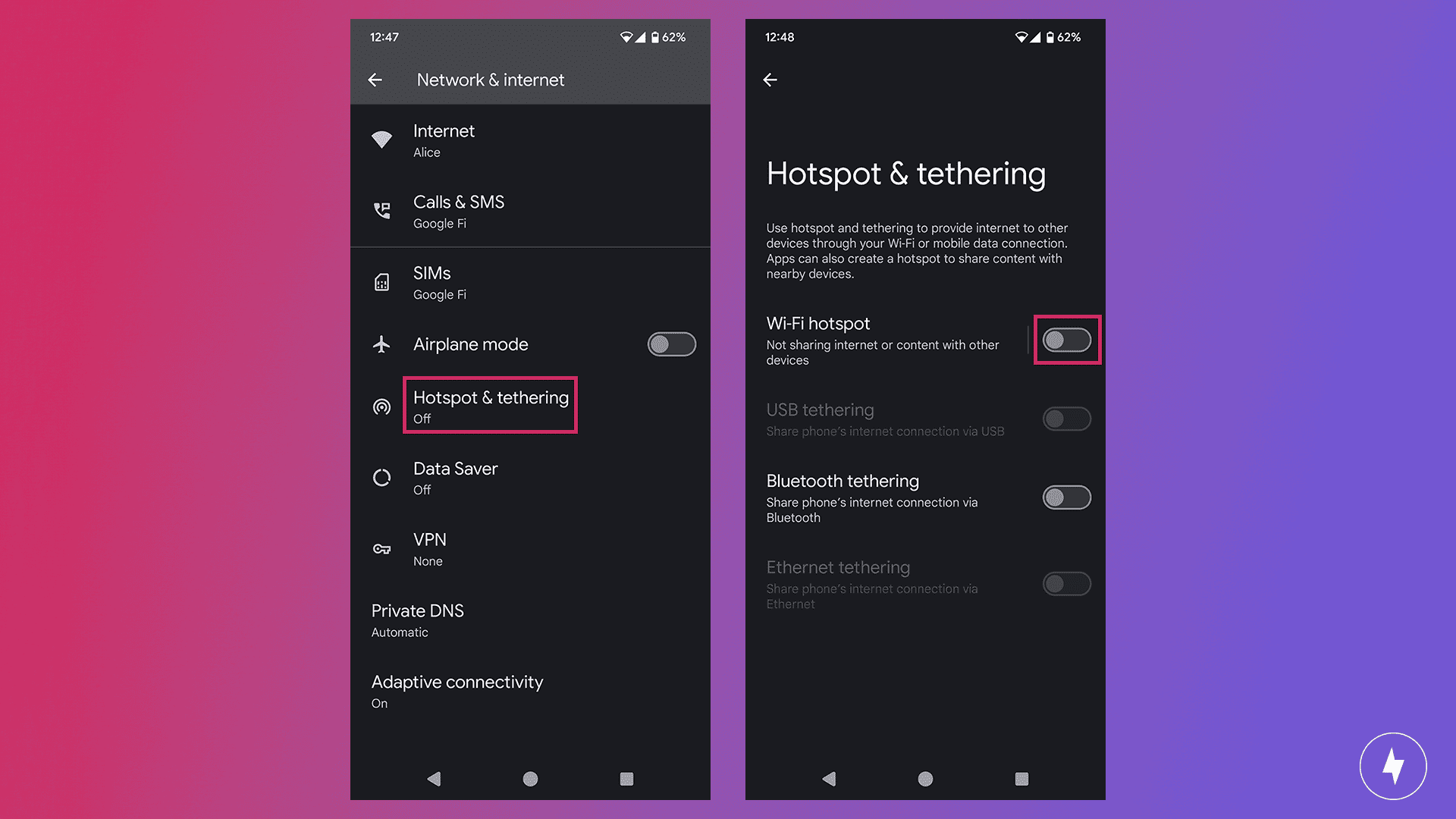
- Navigate to Settings.
- Tap Network & internet.
- Tap Hotspot & tethering.
- Toggle the slider for Wi-Fi hotspot to enable your hotspot network. Your hotspot name will appear on the same line (e.g., AndroidAP_6209).
- Tap on your hotspot name to modify your network name, password, security type, or other hotspot details. You can select WPA3 security on modern Android devices for better protection (Android Security).
- Connect from your nearby devices to this new hotspot using the credentials you set in the previous steps.
How to Set Up a Hotspot on Samsung Galaxy Phones
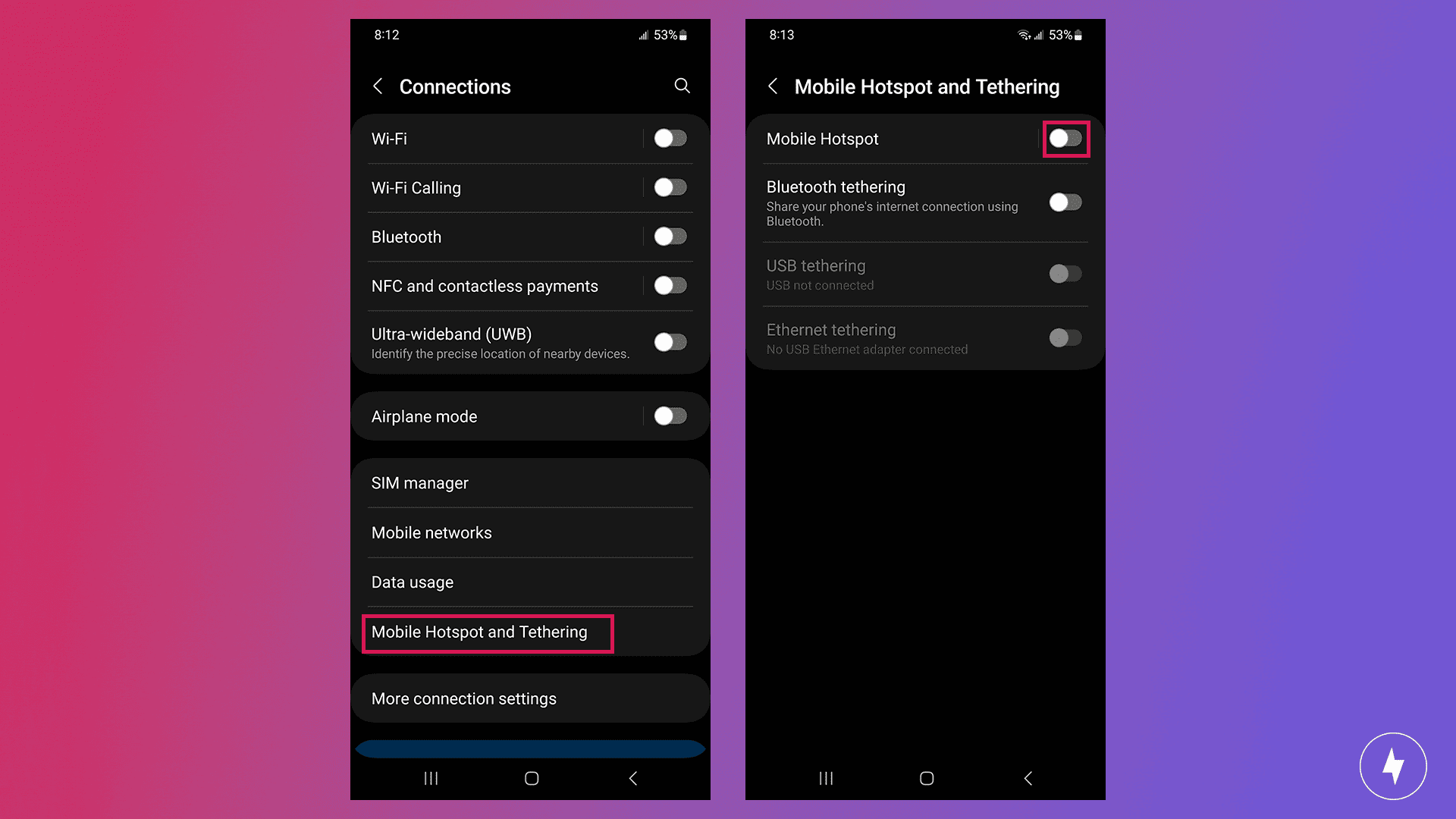
Configuring a personal hotspot on a Samsung device running One UI 6 (Android 14) or later requires only a few taps from your main menu.
- Navigate to Settings.
- Tap Connections.
- Tap Mobile Hotspot and Tethering.
- Toggle the slider next to Mobile Hotspot to enable your phone’s hotspot.
- Choose a name for your network and set a password. This name is the network your devices will look for when connecting to your hotspot.
- On the device you want to connect, look for your hotspot and select it. Enter the Wi-Fi password or use a QR code to connect to the hotspot. Your device is now connected.
How Do You Set Up a Hotspot on Android?
Admittedly, connecting to a hotspot on Android devices can vary somewhat compared to iPhones. I use a Samsung Galaxy S23+, but many people have Google Pixel phones or other Android devices with hotspot connectivity. Below, we cover how to set up a hotspot on Google Pixel and Samsung Galaxy, as these two phones are the most common Android devices.
How to Set Up a Hotspot on Google Pixel Phones
- Navigate to Settings.
- Tap Network & internet.
- Tap Hotspot & tethering.
- Toggle the slider for Wi-Fi hotspot to enable your hotspot network. Your hotspot name will appear on the same line (e.g., AndroidAP_6209).
- Tap on your hotspot name to modify your network name, password, security type, or other hotspot details.
- Connect from your nearby devices to this new hotspot using the credentials you set in the previous steps.
How to Set Up a Hotspot on Samsung Phones
- Navigate to Settings.
- Tap Connections.
- Tap Mobile Hotspot and Tethering.
- Toggle the slider next to Mobile Hotspot to enable your phone’s hotspot.
- Choose a name for your network and set a password. This name is the network your devices will look for when connecting to your hotspot.
- On the device you want to connect, look for your hotspot and select it. Enter the Wi-Fi password or use a QR code to connect to the hotspot. Your device is now connected.
Other Android Devices: Motorola and Nokia smartphones also have hotspot capabilities. The steps for setting up a hotspot are similar to the Samsung and Pixel models but may vary slightly depending on the Android version.
Which Cellular Providers Offer Phone Plans With Hotspots?
All phone plans come with mobile data, but that doesn’t mean that data can be used for hotspots. Some phone providers include hotspot data in their plan, while others may offer it as a separate feature. Figuring out which hotspot phone plan works for you will depend on how often you’ll be using it, whether you are supplementing a home internet connection, or keeping kids connected on long road trips. Comparing the best unlimited data plans beforehand is highly recommended.
AT&T
AT&T’s top-tier hotspot plan is its AT&T Unlimited Premium PL plan. In addition to features like unlimited talk, text, data, and mobile security, the Unlimited Premium PL plan comes with 75 GB of hotspot data per line per month. This is a generous amount of data compared to its Unlimited Starter and Unlimited Extra plans, giving you the freedom to access fast internet wherever you go.
Verizon
The Unlimited Ultimate plan from Verizon offers 5G Ultra Wideband internet, which complements the 60 GB of premium mobile hotspot data per line per month very well. If that’s not enough for you, Verizon also offers the option to add 100 GB of hotspot data to your plan. This is perfect if you enjoy streaming on the go or just like the convenience of watching your favorite movies and shows from your phone.
T-Mobile
T-Mobile offers various phone plans that include a set amount of hotspot data. Its Go5G Next plan includes 50 GB of mobile hotspot data on top of unlimited talk and text, plus unlimited data. Technically speaking, T-Mobile’s hotspot data is also unlimited, but your hotspot will be much slower once the first 50 GB of data is used, similar to standard internet plans.
How Do You Connect to a Hotspot?
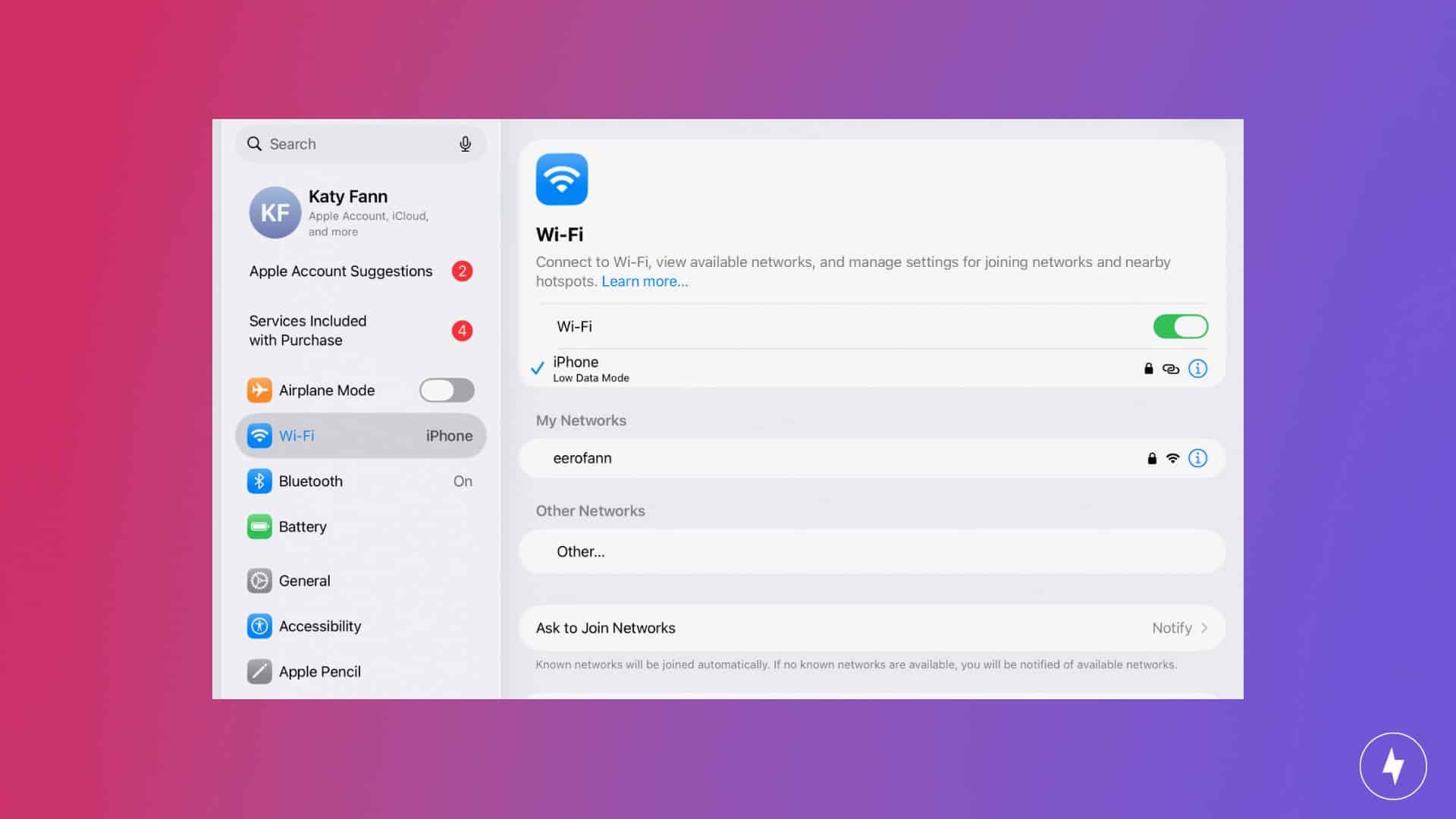
Connecting to a hotspot is the same process as connecting to any Wi-Fi network. Regardless of which device you have (iOS or Android), you can connect to a hotspot by following the same steps you’d use to connect to a public Wi-Fi network or your home network. Simply search for your hotspot network and enter the hotspot password to get access.
How Do You Disconnect From a Hotspot?
Some mobile devices allow you to disconnect users from your hotspot after a certain period of time. Just like the steps required to connect to a hotspot, you can just as easily disconnect. From your phone’s settings menu, go to your Wi-Fi settings and manually disconnect from the hotspot network by toggling your connection off.
Understanding Data Usage and Battery Drain
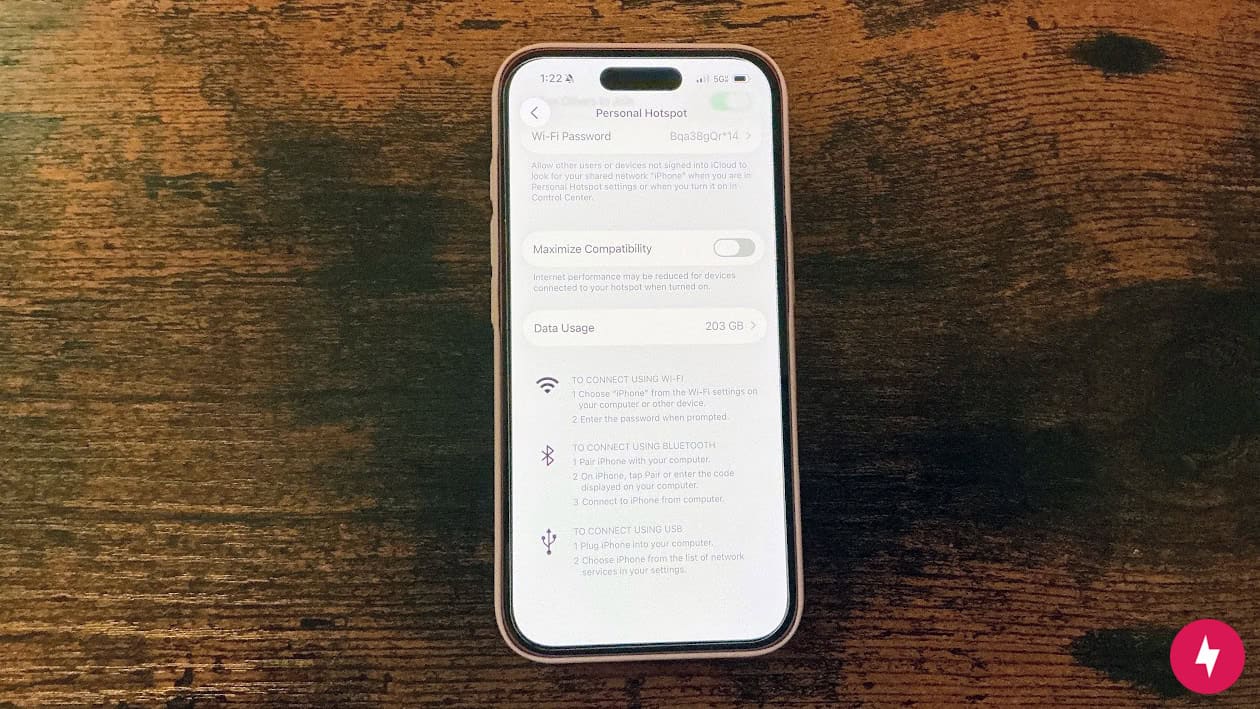
Hosting a mobile network creates a significant workload for your smartphone. Converting a cellular signal into a Wi-Fi signal requires simultaneous operation of the cellular radio, the Wi-Fi chip, and the processor. This process rapidly consumes battery power and generates noticeable heat, particularly during tasks with high, continuous bandwidth, such as 4K streaming or competitive gaming.
Additionally, tethering devices to your phone pulls directly from your monthly cellular allowance. Even if your provider advertises “unlimited” usage, you often face strict data caps for hotspot functionality. Once you hit that threshold, carriers will drastically reduce your speeds to 3G equivalent levels, which limits your ability to load basic websites.
Hotspot Security: Is It Safe?
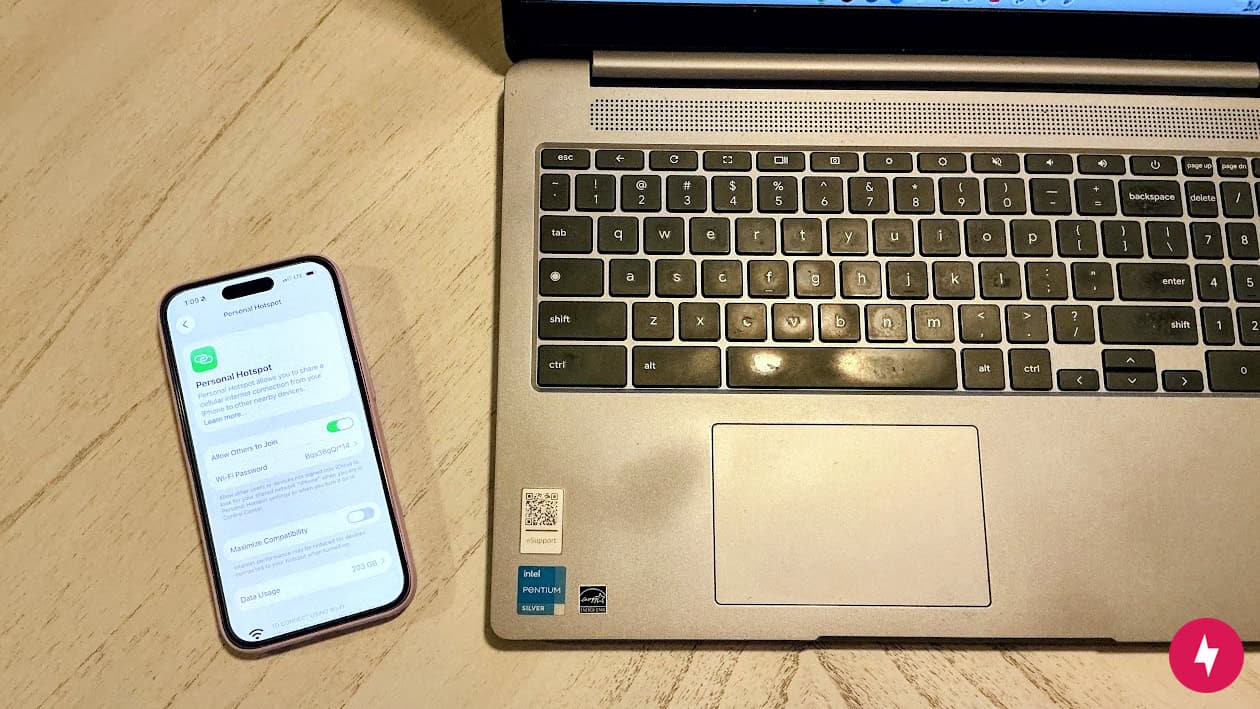
Privacy and network safety should always be top priorities when accessing the internet away from home. While working from a coffee shop, connecting to a public Wi-Fi network introduces risks like data interception or exposure to malicious software. In contrast, using your personal mobile hotspot is significantly safer.
Modern smartphones utilize strong encryption protocols, such as WPA2 or WPA3, to secure the connection between your phone and your connected devices. Because you act as the network provider, third parties cannot easily eavesdrop on your data. To maximize this security, always set a complex custom password for your personal hotspot rather than relying on the device defaults.
Troubleshooting Common Hotspot Issues
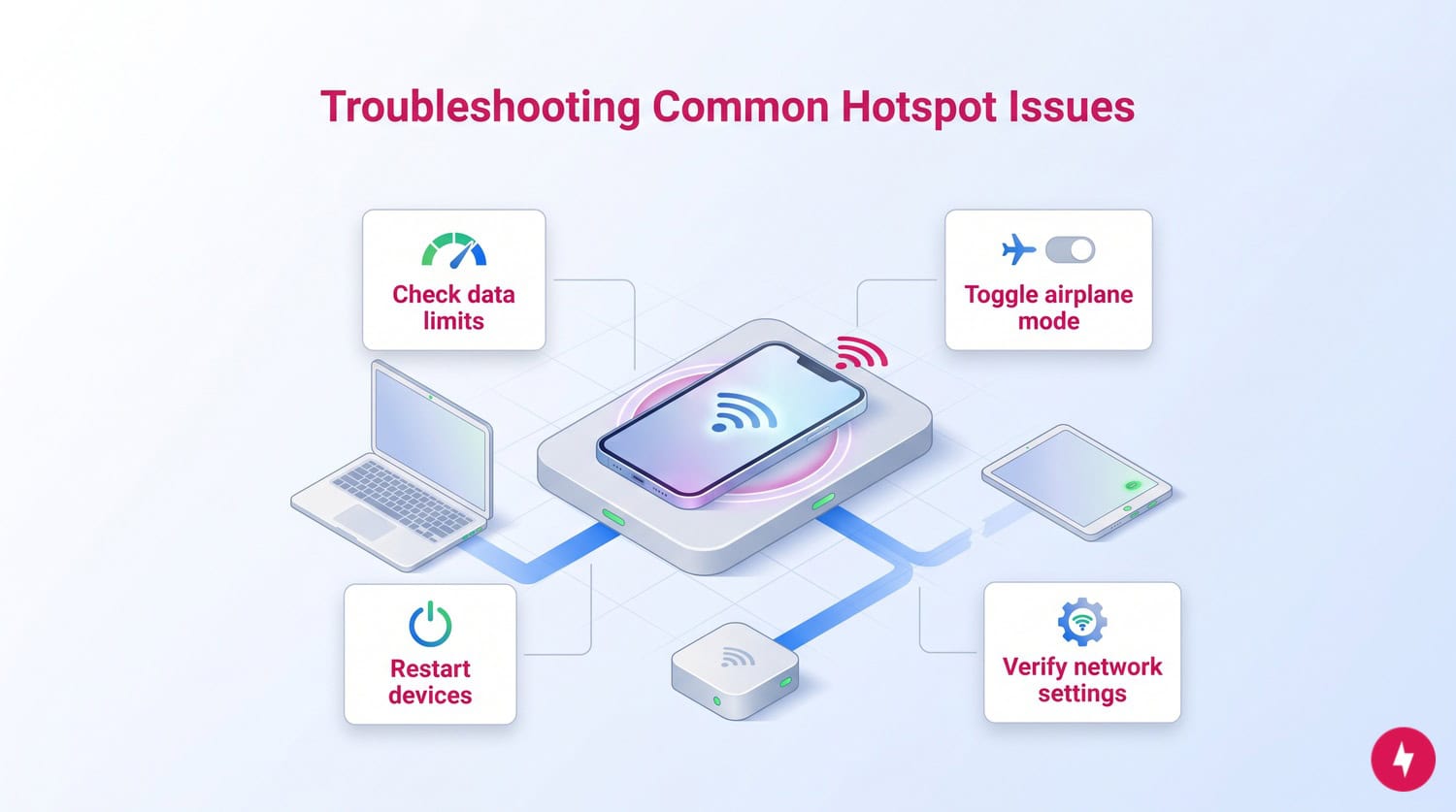
If your laptop or tablet refuses to connect to your phone, or if the connection is too slow for productivity, there are several simple fixes you can attempt before contacting customer support.
- Check data limits: Verify with your cellular provider that you have not exhausted your monthly high-speed hotspot data threshold.
- Toggle features: Turn Airplane Mode on for 10 seconds and turn it back off to reset your phone’s cellular connection.
- Restart devices: Complete a full power cycle on both the smartphone hosting the network and the device attempting to connect.
- Verify network settings: Confirm the password has not been altered or reset by a recent software update on the host phone.
Staying Connected on the Go
Whether you are clearing emails during a layover, downloading reports from a parked car, or keeping family tablets online during a vacation, understanding how to utilize your hotspot ensures you are never truly disconnected. Turning your phone into a Wi-Fi router is easy, fast, and relatively secure.
By mastering the basics of hotspot configuration and data tracking, you can leverage your cellular plan into a versatile tool for mobile productivity. You maintain the ultimate control over your connection limits, battery health, and online safety.
Frequently Asked Questions About Hotspots
Does a hotspot use mobile data?
Yes. A mobile hotspot pulls directly from your smartphone’s cellular data plan and converts that cellular signal into a localized Wi-Fi network for other nearby devices to use. You should always monitor your carrier’s specific hotspot limits to avoid sudden speed reductions.
Can I use a hotspot without internet?
No. Because a hotspot functions by sharing your active cellular data connection, your phone needs an active cellular signal from a provider like AT&T, Verizon, or T-Mobile to supply the internet. If you are in a location with zero cell reception, the hotspot will not provide web access.
How many devices can connect to my hotspot?
Most modern iPhones and Android smartphones allow up to 10 devices to connect simultaneously. However, connecting multiple devices at once will severely strain your phone’s processor, quickly drain your battery, and drastically reduce the overall network speed for each connected user.
Does using a hotspot drain my phone battery?
Yes, significantly. Translating a cellular signal into a local Wi-Fi signal requires your phone’s processor and antennas to run constantly at high power. To prevent your battery from draining rapidly or your phone from overheating, it’s best to keep your device plugged into a charger while hosting a hotspot and disconnect devices as soon as you’re done.
Why is my hotspot connection so slow?
Hotspot speeds are dictated by your phone’s cellular signal. If you only have one or two bars of service, your connected devices will experience slow speeds. Additionally, most cell carriers have a separate “hotspot data cap” (even on “unlimited” plans). Once you pass this monthly limit, your carrier will intentionally slow down your hotspot speeds to a crawl.